Antique Lace Overlays: A Practical Guide for Digital Creators
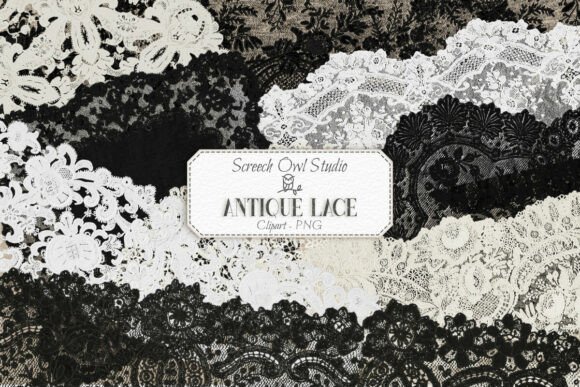
In the realm of digital design, texture and authenticity often separate generic compositions from compelling visual narratives. Antique Lace Overlays represent a specific niche within digital asset libraries that cater to designers seeking historical elegance without the logistical hurdles of physical textile photography. This collection features eight distinct pieces of antique lace, each rendered in three classic colorways—black, white, and ecru—resulting in a total of twenty-four high-resolution PNG files. For professionals ranging from wedding stationery designers to boutique brand marketers, understanding the utility and limitations of these assets is essential for integrating them effectively into modern workflows.
Understanding the Asset Structure and Format
The core value proposition of this collection lies in its simplicity and specificity. Unlike vector-based clipart, which offers infinite scalability but often lacks organic texture, these overlays are raster images derived from actual antique lace specimens. The decision to provide files in PNG format is critical. PNGs support transparency, allowing designers to layer the lace directly over backgrounds, photographs, or typography without cumbersome background removal processes.
However, it is vital to note that these files are not print-ready products in their raw state. They are design elements intended for use within image editing software such as Adobe Photoshop, Affinity Photo, or Procreate. Users must possess a basic understanding of layer management, blending modes, and resolution settings to leverage these assets effectively. The collection does not include vector paths or editable shapes; it is purely a photographic resource digitized for creative manipulation.
The Aesthetic Value of Imperfection
One of the most distinguishing characteristics of this Antique Lace Clipart Collection is its embrace of imperfection. In an era where AI-generated imagery and stock photos often appear sterile and overly polished, the visible flaws in actual antique lace provide a layer of authenticity that is difficult to replicate digitally. Each piece exhibits minor irregularities, varying thread tensions, and the subtle wear associated with aged textiles.
For designers targeting audiences that value heritage, craftsmanship, or romantic aesthetics, these imperfections are not drawbacks but assets. They add depth and tactile realism to digital compositions. When used correctly, the lace does not look like a flat sticker placed on a canvas; instead, it interacts with the underlying layers, suggesting weight and material presence. This organic quality is particularly effective in industries such as bridal design, vintage fashion branding, and literary book covers, where emotional resonance is tied to visual authenticity.
Versatility Through Color Variations
The inclusion of three color variations for each of the eight designs significantly enhances the practical utility of the pack. While many free or low-cost clipart collections offer only white or black options, the addition of ecru provides a crucial middle ground. Ecru, a natural unbleached linen color, is often preferred in high-end stationery and rustic-chic designs because it feels warmer and less stark than pure white.
- White Lace: Ideal for clean, minimalist designs, winter themes, and high-contrast layouts against dark backgrounds.
- Black Lace: Perfect for gothic aesthetics, luxury branding, evening event invitations, and dramatic visual contrasts.
- Ecru Lace: Best suited for vintage, bohemian, rustic, and natural-themed projects where a softer, aged appearance is desired.
This tri-color approach allows a single design element to adapt to diverse brand palettes. A marketer can maintain consistent structural motifs across different seasonal campaigns simply by swapping the lace color, ensuring brand recognition while adapting to thematic shifts.
Practical Applications for Professionals
The usability of Antique Lace Overlays extends beyond simple decoration. For serious hobbyists and professional creators alike, these images serve as functional tools for enhancing composition. Here are several real-world scenarios where these assets deliver tangible value:
- Wedding and Event Stationery: Designers can use the lace as a border element or a subtle background texture for save-the-dates, menus, and invitation suites. The transparency allows text to remain legible while the lace adds a frame of reference.
- Product Photography Enhancement: E-commerce sellers of jewelry, perfumes, or cosmetics can overlay lace shadows or textures onto product shots to create a sense of luxury and context without staging complex physical photoshoots.
- Digital Scrapbooking: For creators selling digital scrapbook kits, these high-quality PNGs provide premium elements that customers can drag and drop into their layouts, adding perceived value to the kit.
- Social Media Content: Bloggers and influencers can use the lace to frame quotes or highlight announcements, creating a cohesive visual identity that stands out in crowded feeds.
Technical Considerations and Workflow Integration
To maximize the effectiveness of these overlays, users must consider resolution and scaling. Since the images are based on actual photographs, enlarging them beyond their original dimensions may result in pixelation or loss of detail. It is recommended to check the DPI (dots per inch) of the files before beginning a project. For print purposes, ensuring the image resolution is at least 300 DPI at the intended print size is non-negotiable.
Furthermore, the blending mode selected in editing software plays a pivotal role in the final output. Using "Multiply" for black lace on light backgrounds or "Screen" for white lace on dark backgrounds can help integrate the texture more naturally. Advanced users might employ layer masks to fade the edges of the lace, creating a seamless transition between the overlay and the background image. This level of control is why the requirement for image editing software is not a limitation but a gateway to higher-quality results.
Who Benefits Most from This Collection?
This collection is best suited for individuals who already possess a foundational skill set in graphic design. It is not a plug-and-play solution for those unfamiliar with digital editing tools. However, for freelancers, small business owners, and educators who regularly produce visual content, the time saved by using pre-digitized, high-quality lace scans is significant. Sourcing, cleaning, and photographing actual antique lace is a time-intensive process requiring specialized equipment and lighting expertise. By purchasing this collection, creators bypass these logistical barriers.
Marketers and publishers will find particular value in the consistency of the lighting and perspective across the eight designs. This uniformity ensures that when multiple lace elements are used in a single project, they appear cohesive rather than mismatched. For educators teaching digital art or history, these images can serve as excellent examples of textile patterns and digital layering techniques.
Evaluating Long-Term Value and Limitations
When assessing the long-term value of Antique Lace Overlays, one must weigh the initial cost against the frequency of use. For a designer who frequently works in the wedding, fashion, or vintage niches, this asset pack pays for itself after just a few projects. The versatility of the twenty-four images allows for repeated use without appearing repetitive, especially when combined with rotation, scaling, and color adjustment tools.
However, potential buyers should be aware of the limitations. As noted, the images cannot be printed as-is. They require integration into a larger design. Additionally, because they are photographic representations, they do not offer the crisp, mathematical precision of vector graphics. For large-format printing such as billboards or trade show banners, users must ensure the source files are of sufficient resolution to avoid quality degradation.
In conclusion, this collection offers a balanced blend of aesthetic charm and practical utility. It respects the integrity of the original materials while adapting them for modern digital consumption. For creators who value authenticity and are equipped with the necessary software skills, these overlays provide a reliable, high-quality resource that enhances the visual depth and emotional impact of their work. By understanding the technical requirements and leveraging the organic nature of the lace, designers can elevate their projects from standard digital compositions to textured, evocative artworks.