Tiger Head Embroidery: Bold Designs for Crafters
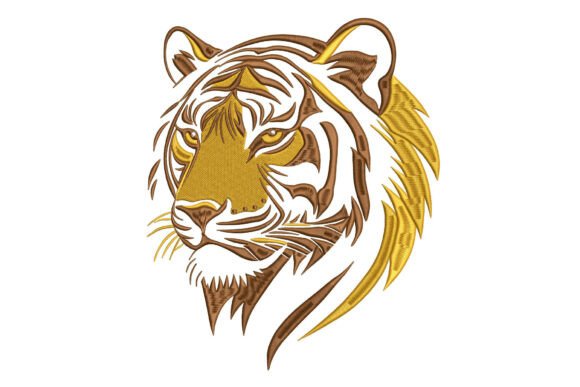
There is a distinct satisfaction in watching a machine embroidery hoop spin, transforming a simple piece of fabric into a statement piece. For creators, the choice of design is just as critical as the quality of the thread or the tension of the bobbin. The Tiger Head design has emerged as a compelling option for those looking to inject personality and visual impact into their textile projects. Unlike generic motifs that blend into the background, this design commands attention with its intricate detailing and fierce aesthetic.
Whether you are a small business owner creating custom apparel or a hobbyist looking to elevate your home decor, understanding how to leverage this specific motif can significantly enhance your output. This article explores the practical applications, technical advantages, and creative possibilities offered by this versatile embroidery pattern.
Why the Tiger Motif Resonates with Modern Makers
The tiger has long been a symbol of strength, courage, and independence in various cultures. In the context of modern crafting, these associations translate into designs that feel empowering and bold. When you choose a Tiger Head for your next project, you are not just adding an animal image; you are incorporating a narrative element that speaks to confidence and individuality.
For entrepreneurs selling custom goods, this psychological connection is valuable. Customers often seek items that reflect their personal identity or aspirations. A well-executed tiger embroidery on a jacket or bag serves as a wearable emblem of these traits. It moves beyond mere decoration to become a form of self-expression. This depth of meaning can help differentiate your products in a saturated market, offering buyers something that feels substantial and intentional rather than mass-produced.
Versatility Across Fabric Types and Products
One of the primary strengths of this design is its adaptability. It performs exceptionally well across a wide range of textiles, making it a reliable choice for diverse product lines. Here is how it translates to different mediums:
- Apparel: On t-shirts and hoodies, the design adds a focal point that balances casual comfort with edgy style. It works particularly well on darker fabrics where the contrast of lighter threads can highlight the facial features of the tiger.
- Accessories: Tote bags and canvas backpacks benefit from the durability of machine embroidery. The dense stitching of a tiger head provides structural integrity to the fabric while delivering a high-impact visual. This is ideal for everyday carry items that need to withstand regular use.
- Home Decor: Decorative pillows or wall hangings featuring this motif can anchor a room’s design theme. Whether aiming for a jungle-inspired nursery or a modern, eclectic living space, the organic lines of the tiger complement both natural and contemporary interiors.
The key to success in these applications lies in scaling. For smaller items like pocket patches, simplifying the density ensures the design remains crisp without overwhelming the fabric. For larger pieces like back-of-jacket prints, the full detail of the Tiger Head can be showcased, allowing viewers to appreciate the nuance in the fur texture and eye detail.
Technical Efficiency and File Compatibility
From a production standpoint, time is a crucial resource. Complex designs often require extensive trimming, frequent thread changes, or problematic underlay structures that can lead to puckering. This particular design is engineered for ease of stitching. It minimizes unnecessary jumps and optimizes stitch paths to reduce production time without sacrificing visual quality.
Furthermore, compatibility is rarely an issue. The design comes in multiple embroidery file formats, ensuring it can be used with most major machine brands. Whether you operate an older single-needle home machine or a multi-needle commercial unit, the files are structured to read correctly. This universality removes the friction of format conversion, which can often distort stitch counts or alter sizing.
For freelancers and small business owners who juggle multiple clients and deadlines, this reliability is invaluable. It allows for predictable production schedules. You know that the design will stitch out cleanly, reducing the risk of wasted materials and reworks. This efficiency directly supports profitability by lowering the cost per unit in terms of both time and material waste.
Enhancing Creativity Through Customization
While the base design is strong on its own, it also serves as an excellent foundation for further customization. Experienced digitizers and crafters can modify the color palette to suit specific brand identities or seasonal themes. For instance, using neon threads can create a cyberpunk aesthetic, while earth tones can evoke a more traditional, naturalistic feel.
You might also consider combining the Tiger Head with other elements. Adding botanical accents like ferns or flowers can soften the fierceness of the tiger, creating a balanced composition that appeals to a broader audience. Alternatively, pairing it with geometric shapes can modernize the look, making it suitable for contemporary fashion lines. The flexibility of the design encourages experimentation, allowing creators to keep their offerings fresh and engaging.
Considerations for Optimal Results
To achieve the best outcomes, it is important to approach the design with an understanding of its technical requirements. While it is easy to stitch, proper hooping and stabilizer selection remain essential. For stretchy fabrics like jersey knits, using a cut-away stabilizer is recommended to prevent distortion during wear and washing. For woven fabrics like canvas or denim, a tear-away stabilizer may suffice, depending on the density of the stitch work.
Thread choice also plays a significant role in the final appearance. High-quality rayon or polyester threads will provide the sheen necessary to bring out the depth in the tiger’s fur. Matte threads may result in a flatter look, which might be desirable for certain rustic aesthetics but less effective for highlighting detail. Always test stitch on a scrap piece of your actual fabric before committing to the final product. This step allows you to adjust tension and density settings to match your specific machine and material combination.
Who Benefits Most from This Design?
This embroidery pattern is particularly suited for several groups:
- Etsy Sellers and Boutique Owners: Those looking for unique, high-demand designs that stand out in online marketplaces. The bold nature of the tiger attracts clicks and conversions.
- DIY Enthusiasts: Individuals who want to personalize their wardrobe or home goods with professional-looking results without needing advanced digitizing skills.
- Gift Makers: People creating personalized gifts for friends and family who appreciate wildlife, strength symbolism, or unique artistic styles.
Each of these groups benefits from the design’s balance of aesthetic appeal and technical reliability. It lowers the barrier to entry for producing high-quality embroidered goods while providing a canvas for creative expression.
Final Thoughts on Elevating Your Craft
Incorporating a Tiger Head into your repertoire is more than just adding another file to your library. It is an opportunity to enhance the perceived value of your creations through bold, meaningful imagery. By leveraging its versatility, technical ease, and symbolic power, you can create products that resonate deeply with your audience. Remember to pay attention to the details of execution—fabric choice, stabilization, and thread quality—to ensure that the final product reflects the professionalism and care that your customers expect. With the right approach, this design can become a staple in your crafting toolkit, driving both creativity and commercial success.