Strategic Design: Leveraging Page Dividers and Borders SVG for Brand Cohesion
In the realm of visual communication, whitespace is often treated as empty space to be filled. However, experienced designers and brand strategists understand that how you separate content is just as critical as the content itself. This is where Page Dividers and Borders SVG become more than mere decorative assets; they transform into structural tools that guide the reader’s eye, establish hierarchy, and reinforce brand identity. Whether you are crafting a high-stakes wedding invitation, designing a digital lead magnet, or curating a scrapbook that preserves family history, the intentional use of ornamental flourishes can significantly elevate the perceived value of your project.
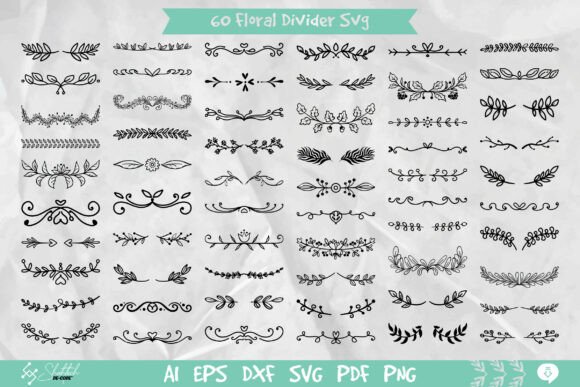
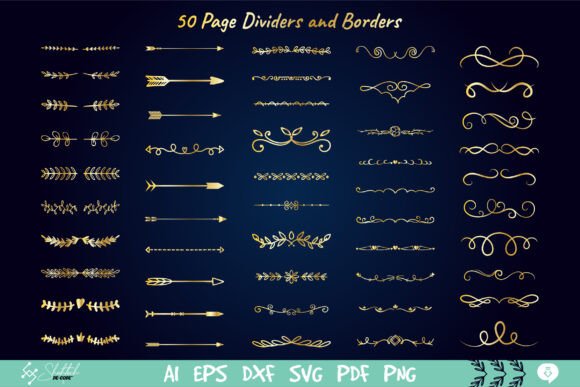
The collection of hand-drawn vintage page dividers featuring elegant swirls and ornate line work offers a specific aesthetic advantage. It bridges the gap between classical elegance and modern digital flexibility. By utilizing scalable vector graphics, creators ensure that their design elements remain crisp and professional across all mediums, from small mobile screens to large-format prints. This article explores how to strategically integrate these assets into your workflow to achieve better design outcomes and stronger brand positioning.
The Strategic Value of Visual Structure
Before diving into the technical specifications of file formats, it is essential to understand the psychological impact of borders and dividers. In marketing and publishing, attention is a scarce resource. A wall of text intimidates readers and increases cognitive load. Page Dividers and Borders SVG act as visual breathers. They segment information into digestible chunks, allowing the audience to process complex ideas without fatigue.
Consider the user experience of a digital proposal or an eBook. Without clear visual breaks, the document feels dense and uninviting. By inserting a refined, classic divider between chapters or key sections, you signal a transition. This subtle cue helps the reader mentally prepare for new information. Furthermore, when these dividers share a consistent stylistic language—such as the Baroque or Rococo-inspired golden elements found in this collection—they create a cohesive narrative thread. This consistency builds trust. It signals to the client or customer that attention to detail has been paid to every aspect of the deliverable, not just the primary message.
Enhancing Brand Perception Through Ornamentation
For entrepreneurs and small business owners, branding is often misunderstood as merely having a logo. In reality, branding is the sum of every touchpoint a customer has with your business. The fonts you choose, the colors you deploy, and the decorative elements you employ all contribute to your brand’s personality. Using Page Dividers and Borders SVG with vintage, hand-drawn characteristics positions a brand as established, thoughtful, and premium.
This is particularly relevant for industries such as wedding planning, luxury real estate, legal services, or artisanal goods. These sectors rely heavily on perceptions of tradition, reliability, and craftsmanship. An ornate border around a certificate of authenticity or a delicate swirl separating testimonials on a website does more than decorate; it communicates heritage and quality. When you select elements inspired by historical styles, you are tapping into a visual shorthand that consumers associate with longevity and value.
Technical Versatility and Workflow Efficiency
A common pitfall in digital design is the misuse of file formats. Raster images (like JPEGs) pixelate when resized, leading to amateurish results in print or on high-resolution displays. This is why the inclusion of scalable formats in this collection is a strategic asset for any serious creator. The availability of Page Dividers and Borders SVG, along with EPS, AI, and DXF files, ensures that your design infrastructure is robust and future-proof.
Scalable Vector Graphics (SVG) are ideal for web use. They load quickly, remain sharp on retina displays, and can be manipulated via CSS for interactive effects. For print professionals, the EPS and AI files provide full editability within Adobe Illustrator or CorelDraw. This means you are not stuck with a static image. You can adjust the stroke weight, change the color palette to match specific brand guidelines, or extend the length of a divider to fit a unique layout. This level of control reduces revision time and allows for rapid prototyping of design concepts.
- SVG Files: Perfect for web developers and digital designers needing lightweight, scalable elements for websites and apps.
- EPS and AI Files: Essential for graphic designers who need to modify anchor points, colors, and dimensions for print collateral.
- DXF Files: Crucial for crafters using cutting machines like Cricut or Silhouette, enabling physical applications of digital designs.
- PNG Files: Ready-to-use assets with transparent backgrounds for quick drag-and-drop functionality in non-vector software.
Practical Applications Across Industries
To maximize the return on investment for these design assets, one must consider diverse application scenarios. The versatility of Page Dividers and Borders SVG allows them to function across both digital and physical realms. Here are several strategic use cases:
- Wedding and Event Stationery: The ornate flourishes are naturally suited for invitations, save-the-dates, and menu cards. They frame critical information, such as the date and venue, drawing the eye immediately to the most important details.
- Digital Products and Lead Magnets: Coaches and consultants often distribute PDF guides. Using high-resolution dividers breaks up text-heavy pages, making the content more engaging and increasing the likelihood that the reader will complete the document.
- E-commerce Packaging: With DXF files, you can cut custom inserts or thank-you cards. A branded border on a package insert enhances the unboxing experience, turning a routine transaction into a memorable brand interaction.
- Social Media Content: Carousels on platforms like Instagram benefit from visual consistency. Using the same divider style across multiple slides creates a seamless scrolling experience, encouraging users to swipe through the entire post.
Risks of Decorative Overload
While these elements are powerful, they must be used with restraint. A common mistake among novice designers is over-decoration. When every section is separated by an elaborate swirl, the design becomes noisy and distracting. The goal of a divider is to guide, not to dominate. Before implementing Page Dividers and Borders SVG, ask yourself: Does this element serve a functional purpose? Does it improve readability or clarify structure?
Strategic design requires subtraction as much as addition. If the content is complex, opt for simpler lines from the collection. If the content is minimal, you may afford more ornate flourishes. Always consider the context. A legal contract requires different visual treatment than a poetry chapbook. Understanding this distinction is what separates a professional designer from an amateur decorator.
Implementation Guidelines for Long-Term Results
To ensure these assets contribute to long-term brand equity, establish a design system. Do not randomly select dividers for each project. Instead, choose two or three standard styles from the collection and stick to them. This creates a recognizable visual signature. For instance, use a heavy, ornate border for cover pages and a light, simple swirl for internal page breaks. Consistency reinforces recognition.
Additionally, leverage the editable nature of the vector files. Customize the colors to align strictly with your brand palette. If your brand uses a specific shade of navy blue, do not settle for black. Adjust the SVG or EPS file to match your hex code exactly. This attention to detail ensures that every piece of collateral, whether digital or print, feels like part of a unified whole.
Finally, consider the accessibility implications. When using dividers in digital formats, ensure they do not interfere with screen readers. In HTML, decorative SVGs should be marked with aria-hidden="true" so that assistive technologies skip them, focusing instead on the meaningful content. This inclusive approach broadens your audience and demonstrates professional competence.
Conclusion: Intentionality in Design
The decision to use Page Dividers and Borders SVG should never be arbitrary. It is a strategic choice that impacts readability, brand perception, and user experience. By understanding the technical capabilities of vector files and the psychological effects of visual structure, you can transform simple decorative elements into powerful communication tools. Whether you are a freelancer looking to polish your portfolio, a business owner aiming to elevate your customer experience, or a creator seeking to add a refined touch to your projects, these assets offer the flexibility and elegance required for high-impact design. Use them intentionally, edit them precisely, and let them serve the broader goals of your creative and business strategy.