Rounded Square Satin Stitch Appliqué
In the vast landscape of machine embroidery, few shapes offer as much versatility and structural integrity as the rounded square. It bridges the gap between the softness of organic forms and the precision of geometric design. When executed with a satin stitch border, this shape transforms from a simple patch into a professional-grade embellishment. The Rounded Square Satin Stitch Appliqué is not merely a digitized file; it is a foundational element for creators who value clean lines, durability, and aesthetic balance. Whether you are designing custom apparel, crafting branded merchandise, or creating intricate home decor, this specific appliqué style provides a reliable canvas for your creativity.
The Anatomy of a Perfect Appliqué
Understanding why this specific design works requires looking at its construction. A standard square can feel rigid and harsh, especially when stitched onto fabric that moves, stretches, or folds. By rounding the corners, the design gains a softer visual appeal that integrates more naturally with textiles. The satin stitch border is the critical component here. Unlike a simple zigzag or blanket stitch, a dense satin stitch creates a raised, glossy edge that frames the inner fabric beautifully. This technique seals the raw edges of the appliqué material, preventing fraying and ensuring longevity.
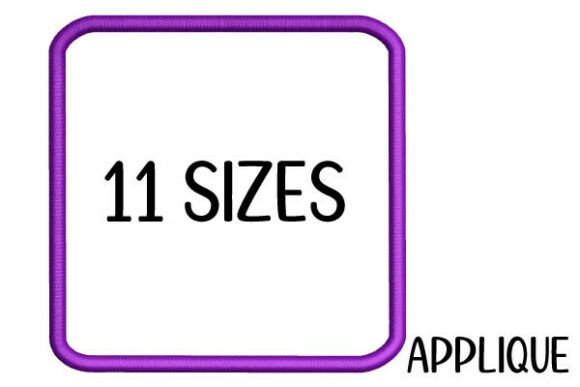
The availability of this design in 11 different sizes is a significant advantage for modern makers. It allows for seamless scaling across various projects without losing definition. A small version might serve as a subtle label on a baby onesie, while a larger iteration could become the focal point of a tote bag or jacket back. This scalability ensures that whether you are working with delicate silks or heavy denim, the proportion of the stitch width to the shape size remains visually pleasing.
Creative Applications for Makers and Designers
For hobbyists and small business owners, the utility of this rounded square extends far beyond basic decoration. Here are several practical ways to integrate this design into your workflow:
- Custom Branding and Labels: Replace woven tags with embroidered labels. Use the rounded square as a background for your logo or brand name. The satin edge gives it a premium, boutique feel that enhances perceived value.
- Interactive Children’s Crafts: Create durable patches for children’s jackets or backpacks. The smooth satin border is less likely to catch on other fabrics compared to looser stitches, making it ideal for high-wear items.
- Monogram Bases: Use the shape as a frame for single-letter monograms. The contrast between the solid fill of the letter and the textured satin border of the square creates a sophisticated look suitable for towels, robes, and linens.
- Quilting Accents: Incorporate these appliqués into quilt blocks. They can serve as centers for star patterns or as connecting elements in modern, geometric quilts. The rounded corners soften the overall grid structure of traditional quilting.
Adapting for Different Audiences and Platforms
Different users have different needs, and the flexibility of this design allows for tailored approaches. For educators teaching embroidery basics, this file is an excellent tool. It demonstrates the importance of stabilization and thread tension clearly. If the tension is off, the satin stitch will gap or bunch, providing immediate visual feedback for students learning machine maintenance.
For marketers and entrepreneurs, consistency is key. Using a standardized shape like the rounded square across a product line creates a cohesive brand identity. You can change the inner fabric pattern or color while keeping the outer satin stitch consistent, allowing for seasonal variations without losing brand recognition. This approach is particularly effective on platforms like Etsy or Instagram, where visual consistency drives follower engagement.
Freelance designers can use this shape as a base for more complex compositions. By layering multiple sizes of the rounded square, you can create depth and dimension. Imagine a large rounded square in a neutral tone, layered with a smaller, contrasting square, and topped with a floral motif. This layering technique adds complexity without requiring advanced digitizing skills.
Technical Considerations for Best Results
To ensure your Rounded Square Satin Stitch Appliqué looks professional, attention to technical detail is non-negotiable. The quality of the final output depends heavily on your preparation and material choices.
- Stabilization: Satin stitches pull on the fabric. Always use a cut-away stabilizer for garments that will be washed frequently, as it provides lasting support. For stable fabrics like denim or canvas, a tear-away may suffice, but test first.
- Thread Selection: High-sheen polyester or rayon threads work best for satin stitches because they reflect light uniformly, highlighting the smoothness of the border. Avoid matte cotton threads for the border if you want that classic, polished look.
- Fabric Choice for the Fill: Since the center of the appliqué is covered by fabric, you can use materials that are difficult to embroider directly, such as leather, vinyl, or thick wool. The satin stitch holds these materials down securely, expanding your creative palette.
- Hoop Stability: Ensure your fabric is drum-tight in the hoop. Any movement during the satin stitch phase will result in uneven edges, ruining the clean aesthetic of the rounded square.
Working with Multilingual Instructions
In today’s global market, accessibility is a competitive advantage. This design includes instructions in both German and English, catering to a broader audience. For creators in Europe, particularly in DACH regions (Germany, Austria, Switzerland), having clear German instructions reduces friction and increases confidence in using the product. It minimizes support queries and ensures that users understand the sequence of stops, color changes, and trimming requirements.
When sharing your projects online, consider tagging your posts in both languages if you are targeting an international audience. This simple step can significantly increase the visibility of your work. For example, using hashtags like #Stickdatei (embroidery file) alongside #EmbroideryDesign helps bridge the language gap and connects you with diverse communities of stitchers.
Maintaining Consistency and Originality
While the shape itself is standard, your application of it should be unique. To keep your results original, experiment with the interplay between the border and the fill. Try using a tonal thread for the satin stitch—such as a dark navy border on a light blue fabric—to create a subtle, understated elegance. Conversely, use a high-contrast combination, like white on black, for a bold, graphic statement.
Consistency comes from process. Keep a log of your settings for different fabric types. Note which stabilizer worked best for jersey versus cotton. Over time, this data becomes invaluable, allowing you to reproduce high-quality results quickly. Organize your digital files by size and project type, so you can instantly locate the appropriate version of the rounded square when inspiration strikes.
Ultimately, the Rounded Square Satin Stitch Appliqué is a tool that rewards precision and creativity. It offers a structured foundation upon which you can build endless variations. By mastering this single element, you enhance your overall embroidery capabilities, producing work that is not only visually appealing but also professionally finished. Whether you are stitching for profit or pleasure, this design invites you to explore the balance between form and function, creating pieces that stand the test of time.