Elevate Designs with Bonus Card Inserts
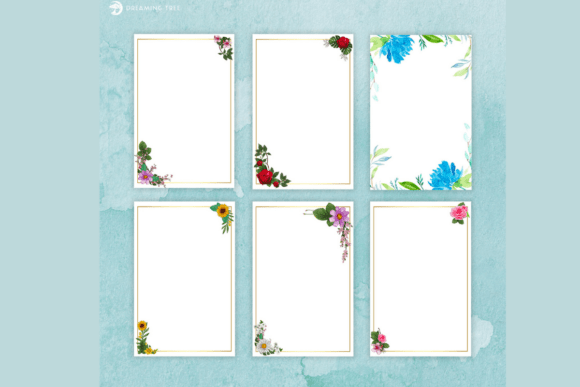
Creating handmade cards is a rewarding pursuit, yet finding the balance between intricate design and efficient production can be challenging. Whether you are crafting a single heartfelt note or preparing a batch of invitations for a small business, the details matter. This is where Bonus Card Inserts become an invaluable resource. These print-to-cut sets offer a streamlined way to add professional-grade floral-style panels to your projects without requiring advanced illustration skills or hours of manual assembly.
The concept is simple but powerful: these inserts are designed to coordinate seamlessly with existing card bases, allowing crafters to layer decorative elements with precision. By utilizing digital files that are both print-ready and cut-compatible, you bridge the gap between digital convenience and tactile artistry. For anyone looking to enhance their paper crafts, understanding how these tools fit into your workflow can transform your creative output.
Why Precision Matters in Paper Crafting
In the world of card making, alignment is everything. A slightly off-center sentiment or a jagged edge can detract from an otherwise beautiful design. Bonus Card Inserts address this common pain point by leveraging technology. The process begins with printing panel designs on quality media, such as photo paper or heavy cardstock. Once printed, a cutting machine like a Cricut or Silhouette handles the intricate work, ensuring every curve and corner is exact.
This hybrid approach—printing detailed graphics and then cutting them to shape—offers a level of consistency that is difficult to achieve by hand. For professionals and entrepreneurs, this consistency is not just about aesthetics; it is about brand reliability. When customers receive a product, they expect uniformity. Using pre-designed, machine-cut inserts ensures that every card in a batch looks identical, maintaining high standards with less effort.
Tailored Benefits for Different Creators
While the end result is a beautiful card, the value proposition of Bonus Card Inserts varies significantly depending on who is holding the scissors. Here is how different audiences might evaluate and utilize this tool.
For Beginners and Hobbyists
If you are new to card making, the learning curve can feel steep. Choosing color palettes, designing layouts, and mastering cutting machines often require trial and error. Bonus Card Inserts lower this barrier to entry. Because the designs are pre-created and tested, you do not need to worry about whether your floral pattern will scale correctly or if the cut lines align with the print.
For hobbyists, the primary benefit is confidence. You can produce sophisticated-looking cards early in your journey. The availability of a video tutorial further supports this, guiding you through the print-and-cut process step-by-step. This reduces frustration and allows you to focus on the joy of assembly rather than the stress of design execution.
For Small Business Owners and Entrepreneurs
Time is money for those selling handmade goods. A small business owner producing wedding invitations or thank-you notes needs efficiency. Manually drawing or stamping complex floral backgrounds for fifty cards is impractical. Using Bonus Card Inserts allows for rapid production. You can print multiple sheets at once, cut them in batches, and assemble them quickly.
Moreover, these inserts offer scalability. If a particular floral design becomes popular with your clients, you can reproduce it endlessly with perfect fidelity. This reliability helps in managing inventory and fulfilling large orders without sacrificing quality. The ability to layer these inserts behind die cuts also adds perceived value, allowing you to price your items higher due to the intricate, multi-dimensional look.
For Educators and Workshop Leaders
Teaching card-making classes requires materials that are forgiving and easy to manage. Instructors often struggle with students who have varying skill levels. Bonus Card Inserts provide a standardized base that ensures every student leaves with a successful project. Since the cutting is done by machines, the instructor spends less time troubleshooting alignment issues and more time teaching technique and creativity.
Additionally, these inserts serve as excellent examples of mixed-media techniques. Educators can demonstrate how to combine printed elements with hand-stamped sentiments or embellishments, showing students how to build layers effectively. It transforms a simple class into a lesson on modern crafting workflows.
Practical Applications and Styling Ideas
The versatility of Bonus Card Inserts extends beyond standard greeting cards. Understanding how to integrate them into various projects can maximize their utility. Here are several practical ways to use these floral-style panels:
- Greeting Card Fronts: Use the insert as the primary visual element on the front of a card. Pair it with a simple, bold sentiment to let the floral details shine.
- Window Cards: Create a frame using cardstock and place the insert behind a cut-out window. This adds depth and creates a peek-a-boo effect that is visually engaging.
- Invitation Suites: Coordinate the inserts with invitation text panels. The floral motifs can tie together the entire suite, including RSVP cards and detail inserts.
- Decorative Layers: Instead of using the insert as the main focus, trim it down and use it as a background layer behind a smaller focal point. This adds texture and color without overwhelming the design.
Each application offers a different aesthetic. For a minimalist look, choose a subtle floral pattern and pair it with ample white space. For a maximalist approach, layer multiple inserts with varying opacities or colors to create a rich, textured collage.
Material Quality and Technical Considerations
The success of any print-to-cut project relies heavily on the materials used. The recommended medium for these inserts is Encore Cardstock 80 lb cover (216 gsm). This weight is crucial because it is thick enough to hold its shape and support layers, yet thin enough to feed smoothly through most home printers and cutting machines.
Using lighter paper may result in warping when ink is applied, leading to misalignment during the cutting phase. Conversely, paper that is too thick may jam printers or require excessive force to cut, potentially dulling blades. The 80 lb cover stock strikes an ideal balance, providing a premium feel that enhances the perceived quality of the final card.
When selecting your materials, consider the finish as well. Matte cardstock tends to absorb ink differently than glossy photo paper, affecting the vibrancy of the floral prints. Testing a small batch before committing to a large project is always advisable to ensure your printer settings match the specific texture of your chosen paper.
Making the Right Choice for Your Workflow
Deciding whether Bonus Card Inserts are right for you depends on your current goals. If you prioritize speed and consistency, these digital assets are a logical addition to your toolkit. If you prefer complete artistic control and enjoy hand-drawing every element, you might find them less necessary. However, even seasoned artists can benefit from using them as base layers, freeing up mental energy for more complex customizations.
For those interested in exploring this method, the integration is straightforward. The files are designed to work with standard cutting software, meaning no specialized training is required. The combination of high-quality digital design and precise mechanical cutting represents a modern approach to a traditional craft, offering the best of both worlds.
To get started with high-quality materials that complement these inserts, you may want to explore suitable cardstock options. Click here to visit the 12×12 Cardstock Shop. Please note that this is a paid link at no extra cost to you, supporting the creation of more helpful content like this.
Ultimately, Bonus Card Inserts are more than just decorative papers; they are tools that empower creators to work smarter. By reducing the technical friction of design and assembly, they allow you to focus on what matters most: connecting with the recipient through thoughtful, beautifully crafted messages.