Daisy Vignette: A Delicate Touch for Creative Projects
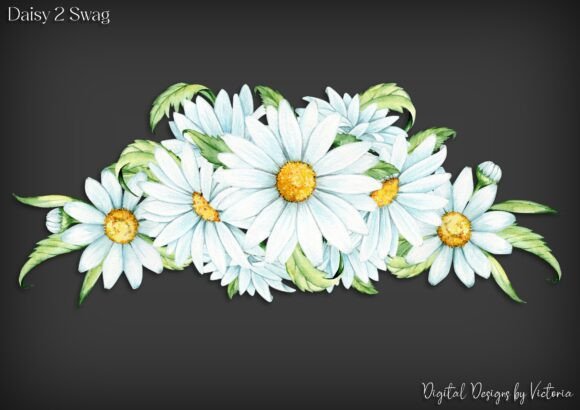
There is a distinct charm in the quiet details of nature, particularly in the soft, layered petals of a daisy. Capturing that ephemeral beauty in digital form requires more than just a simple photograph; it demands assets that offer flexibility, depth, and artistic integrity. Daisy Vignette provides exactly this, offering a curated collection of floral elements designed specifically for the modern crafter, designer, and small business owner. Unlike standard clip art that often feels flat or disconnected from its background, this collection is engineered for seamless integration into your creative workflow. Whether you are assembling a vintage-inspired junk journal, designing a heartfelt greeting card, or creating unique packaging for a handmade product, these elements serve as versatile building blocks for your visual storytelling.
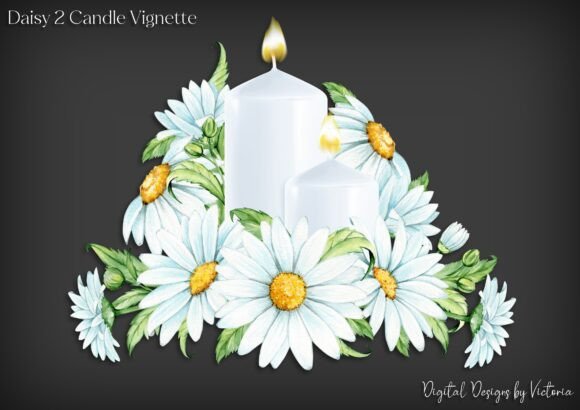
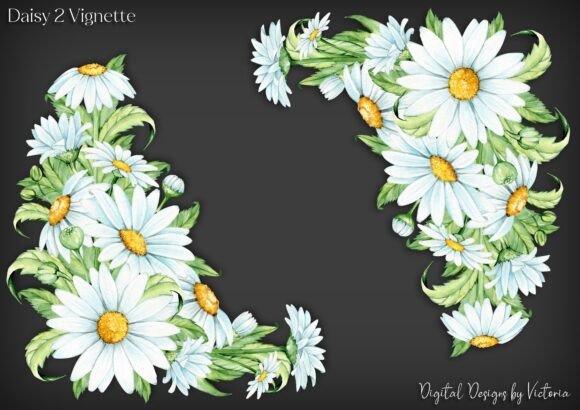
The core value of this collection lies in its technical preparation. You receive six individual PNG files, with each layer presented on its own transparent background. This separation is crucial for professional-grade design work. It allows you to deconstruct the flower, using individual petals or leaves to create custom compositions that never look repetitive. Additionally, a grouped file is included for easier resizing, ensuring that the proportional relationship between the elements remains intact when you need a quick, cohesive graphic. For those who prefer traditional crafting methods, the collection also includes the grouped file on a JPG background, facilitating easy fussy cutting if you wish to print and physically manipulate the images. Each file is saved at 300 dpi, guaranteeing crisp, high-quality printing and resizing without pixelation or loss of detail.
Visual Appeal and Artistic Versatility
The aesthetic of Daisy Vignette leans toward the romantic and the nostalgic. The visual characteristics are defined by soft edges, subtle shading, and a naturalistic color palette that evokes the feeling of a pressed flower found in an antique book. This style bridges the gap between realistic botanical illustration and whimsical digital art. It is not overly stylized or cartoonish, nor is it starkly photographic. Instead, it occupies a sweet spot that feels hand-touched and organic. This makes it an ideal complement to various design styles, from shabby chic and cottagecore to minimalist modern layouts that require a single, striking focal point.
When considering where these assets work best, the applications are vast. In editorial design, such as magazine spreads or blog headers, these vignettes can frame text or separate sections without overwhelming the content. For brand identity projects, particularly for businesses in the wellness, bridal, or artisanal sectors, these floral elements add a layer of sophistication and warmth. They soften the rigidity of geometric logos and provide a human touch that resonates with audiences seeking authenticity. In packaging design, the transparent backgrounds allow you to place the daisies directly over textured papers or colored boxes, creating a custom look that elevates perceived value.
The inclusion of both transparent PNGs and JPGs acknowledges the diverse workflows of today’s creators. Digital designers working in software like Photoshop, Procreate, or Canva will appreciate the transparency for layering and blending modes. Meanwhile, paper crafters engaging in scrapbooking or card making can utilize the JPGs for precise cutting. This dual-format approach ensures that the asset is accessible regardless of your preferred medium, making it a truly inclusive tool for creative expression.
Enhancing Brand Perception and Visual Hierarchy
In marketing and branding, every visual element contributes to the overall perception of your business. Using high-quality, well-structured graphics like Daisy Vignette signals professionalism and attention to detail. When customers see crisp, 300 dpi imagery that integrates seamlessly into your social media graphics or website banners, they subconsciously associate that quality with your products or services. Low-resolution or poorly isolated images can detract from brand credibility, whereas clean, transparent assets enhance it.
These floral elements also play a significant role in establishing visual hierarchy. In a cluttered design, the eye needs places to rest. A delicate daisy vignette can serve as a visual anchor, drawing attention to a specific call-to-action or a key piece of information. Because the layers are separate, you have control over the density of the image. You can use a single petal for a subtle accent or the full bloom for a bold statement. This flexibility allows you to guide the viewer’s eye through your composition intentionally, improving readability and engagement.
Consistency is another critical factor in brand recognition. By having a set of coordinated elements, you can maintain a cohesive look across different platforms. Whether you are posting on Instagram, designing a newsletter, or printing business cards, using the same floral motifs creates a recognizable visual language. Over time, your audience begins to associate these specific aesthetic cues with your brand, fostering familiarity and trust. This is particularly important for small business owners and entrepreneurs who rely on strong visual identities to stand out in crowded markets.
Practical Guidance for Implementation
To get the most out of Daisy Vignette, consider how these elements interact with other design components. While these are floral graphics rather than typography, they often accompany text. When pairing these images with fonts, think about balance. A delicate, serif font or a flowing script font can complement the softness of the daisies, creating a harmonious and elegant look. Conversely, a clean sans serif font can provide a modern contrast, making the floral elements pop against a structured layout. Avoid overcrowding the design; let the negative space breathe around the flowers to maintain their impact.
Testing is essential. Before finalizing any project, print a test sheet if you are working on physical items. Even though the files are 300 dpi, printer settings and paper types can affect the final output. Matte papers often enhance the vintage feel of these vignettes, while glossy finishes might make the colors appear more vibrant. For digital use, check how the transparent layers blend with your background colors. Adjust opacity or use blending modes like "multiply" or "overlay" to integrate the shadows and highlights naturally.
Finally, always review the licensing terms for commercial use. Understanding the scope of your rights ensures that you can confidently use these assets in client work or product sales. Whether you are a freelance designer creating assets for a client or a hobbyist selling handmade journals on Etsy, knowing the boundaries of your license protects your business and respects the creator’s work. By treating these digital assets with the same care as physical tools, you unlock their full potential to enhance your creative projects.
In conclusion, Daisy Vignette is more than just a set of images; it is a versatile toolkit for enhancing visual communication. Its thoughtful construction, high resolution, and artistic appeal make it a valuable addition to any designer’s library. By understanding how to leverage its layers and formats, you can create work that is not only visually stunning but also strategically effective in connecting with your audience.